
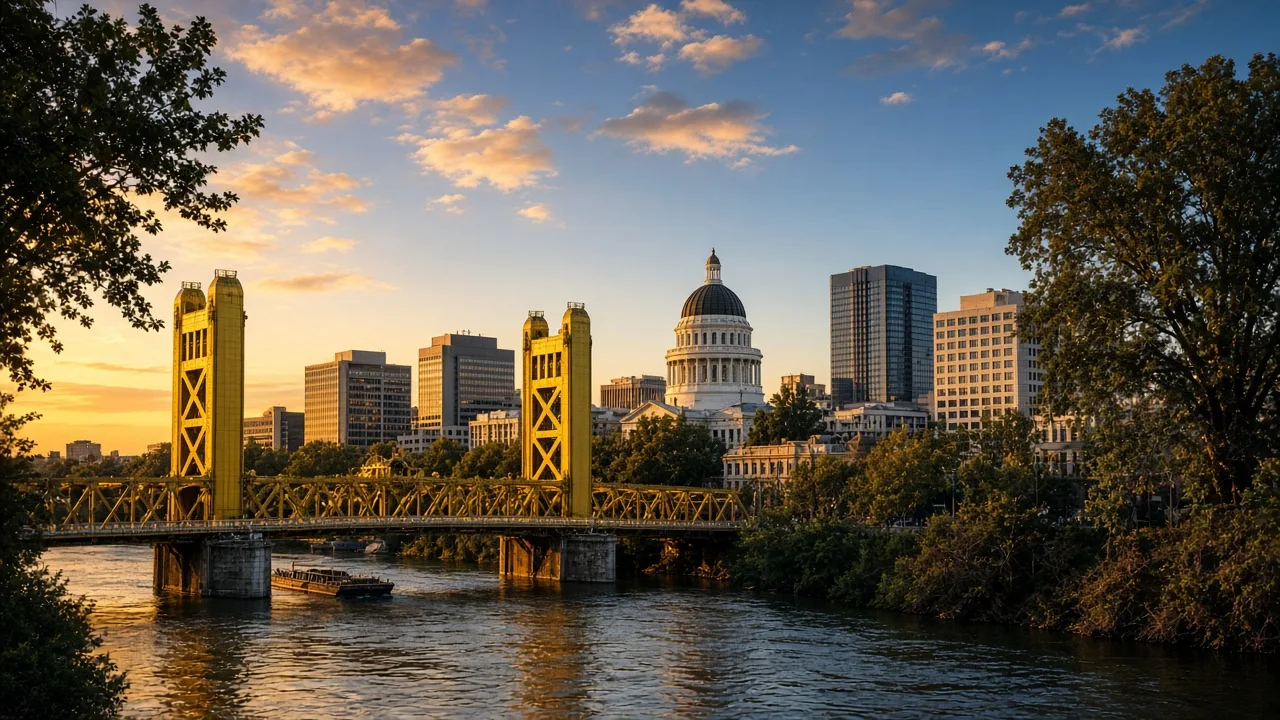
Sacramento, CA · 2026 Relocation Guide
Living in Sacramento, CA (2026 Guide)
Homes, neighborhoods, schools, commute, cost of living, and community life in California's capital, written for buyers, relocating families, and seniors planning their next chapter.
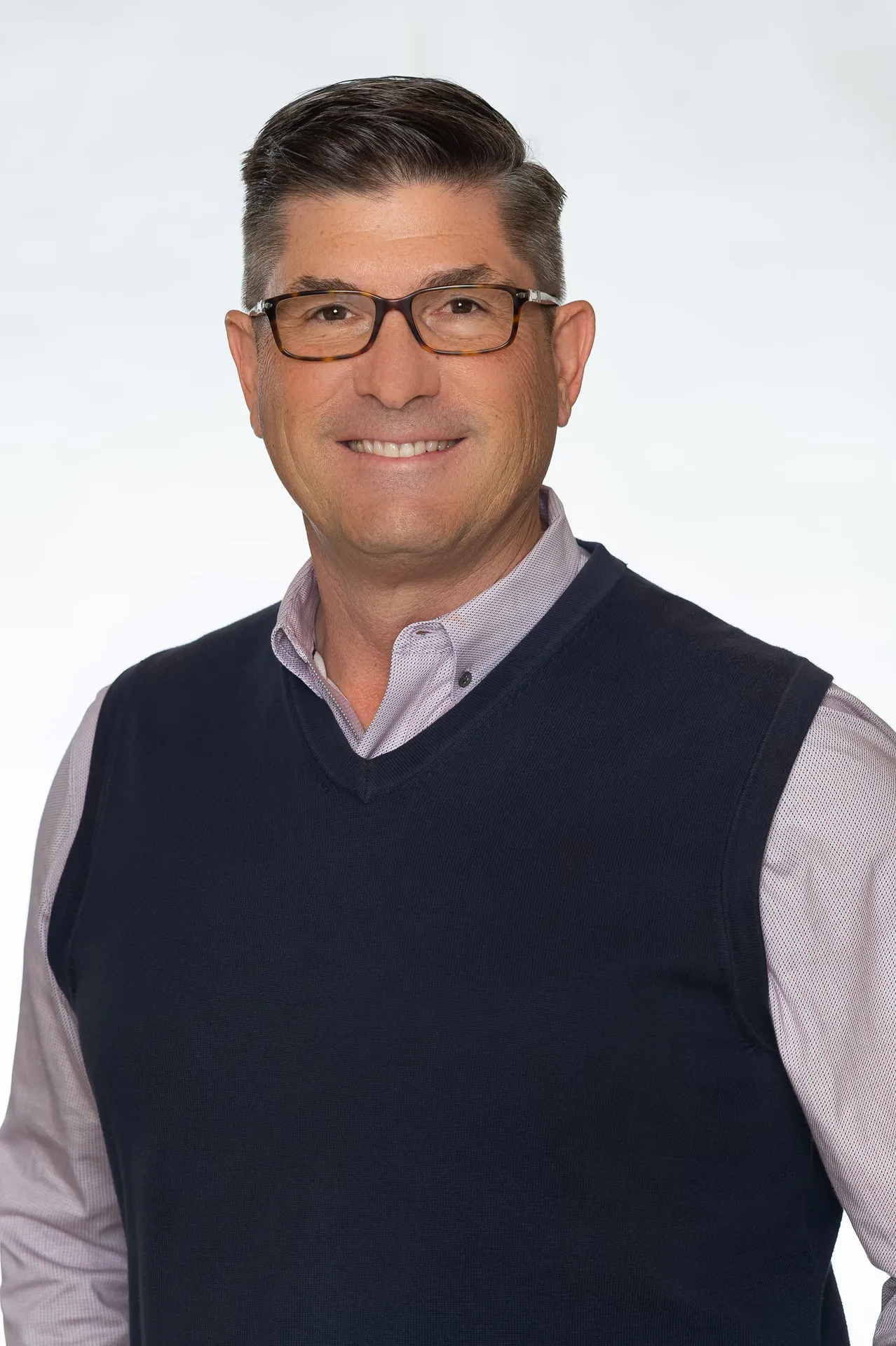
Researched and written by Mike Giancanelli, a licensed California Realtor (DRE #01086118) with 36 years of experience serving Sacramento, El Dorado, and Placer Counties, who has helped 290 families buy and sell homes across the region.
2025 U.S. Census estimate
Sacramento home price, 2026 guide
Typical Sacramento home value
Since 2020, U.S. Census Bureau
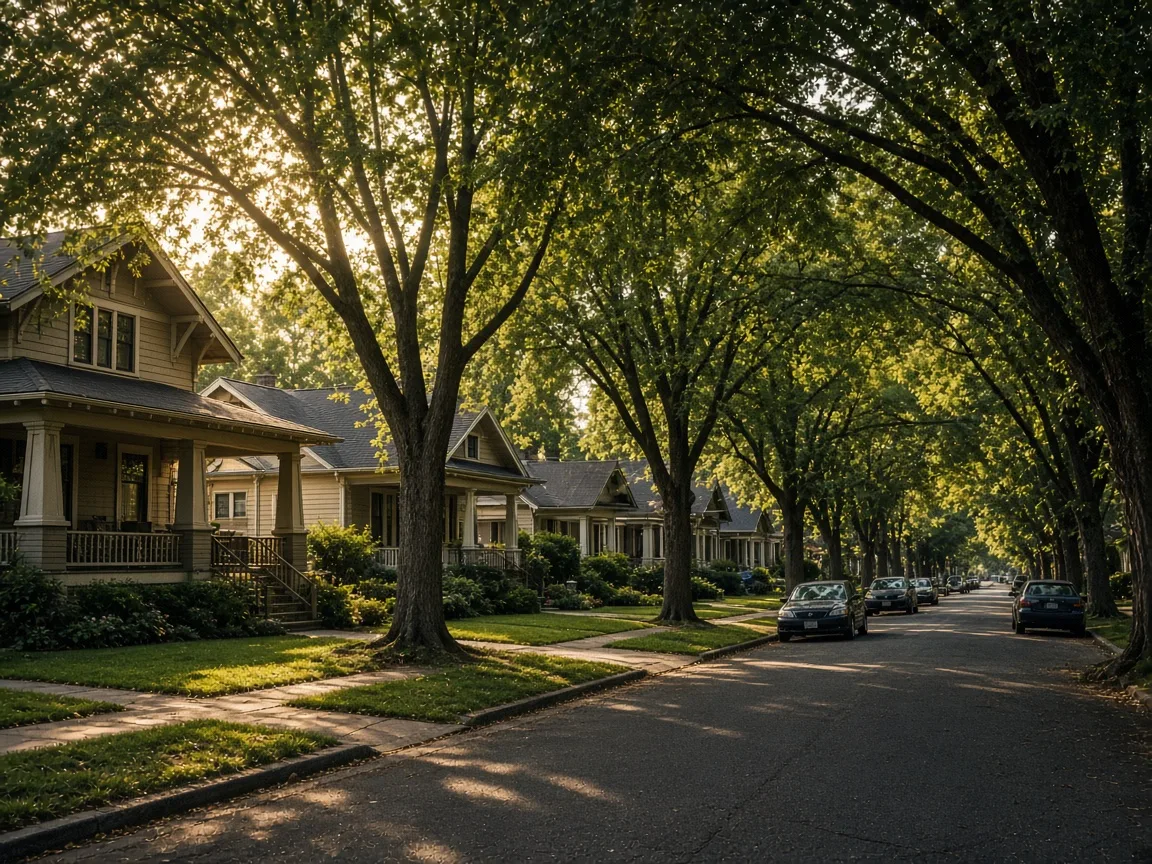
The City of Trees: leafy streets are part of daily life
What Is It Like Living in Sacramento?
Living in Sacramento means California capital energy at a slower, friendlier pace: a tree-lined city of about 536,000 people where the median home price is roughly $505,000, winters are mild, and summers are hot and dry. The city pairs big-city careers, healthcare, and culture with walkable older neighborhoods, a 32-mile river parkway, and easy drives to the Sierra foothills and Tahoe.
For families and seniors, the appeal is practical: single-story homes in settled neighborhoods, major medical centers minutes away, transit and an international airport, and a cost of living well below the Bay Area. And for anyone tired of high prices and long commutes, Sacramento offers a genuine value story: more home, less drive, and a quality of life ranked on national best-places lists.
Jump to the section you care about.
Living in Sacramento: Quarterly Market Snapshot (2026)
The numbers below are the core facts buyers and movers ask about first. Figures marked "2026 guide" reflect the current city-wide snapshot in this guide; census figures come from the U.S. Census Bureau.
Entry-point price for Sacramento homes in this 2026 guide
Typical value of a Sacramento home, 2026 guide figure
U.S. Census Bureau 2025 population estimate for the city
City growth since the 2020 Census (about +11,500 residents)
Typical one-way commute for Sacramento workers, ACS-based estimates
Sacramento, El Dorado, and Placer Counties for this guide
Why People Are Moving to Sacramento
Steady jobs, the state capital
Sacramento is the seat of California state government, with major healthcare employers such as UC Davis Health, a growing tech and food sector, and strong public-sector stability that anchors the local economy.
More home for the money
With a median home price around $505,000, Sacramento delivers far more square footage and yard than Bay Area prices, while staying closer to family and the jobs of Northern California.
About 269 sunny days a year
Warm, dry summers and mild winters mean outdoor life continues most of the year, which matters to seniors who want to walk, garden, or sit on a shaded porch.
Farm-to-Fork food and culture
From the farmers markets to the restaurant scene, Sacramento is famous for its food: WalletHub ranked it a top-10 foodie city in 2025, and the capital has pro sports, arts, and Old Sacramento history.
River, parks, and the Sierra
The 32-mile American River Parkway, 200-plus parks, and easy weekend drives to the Sierra foothills and Lake Tahoe keep active retirees and young families outdoors.
Senior-friendly services
Major medical centers, senior centers, adult day programs, walkable midtown grids, and a full range of 55-plus and continuing-care communities make Sacramento a practical home base for transitions.
Sacramento Homes for Sale
Search live Sacramento-area listings on Mike's website, or ask him to set up a custom listing search for your exact needs: price, floor plan, neighborhood, and single-story requirements.
Sacramento Housing Guide: New Construction or Resale
New Construction
- Brand-new systems, energy-efficient windows and heating, and builder warranties: one year on workmanship, two years on systems, and ten years structural under California law.
- Single-story plans are common in newer communities such as Natomas, North Natomas, Rancho Cordova's Mather area, and southern Elk Grove.
- Plan on the buy-new timeline: choosing a lot, waiting through construction, and budgeting for upgrades, plus HOA fees and, in some master-planned areas, Mello-Roos special assessments.
Resale Homes
- Established neighborhoods with mature trees, settled schools, and real character: craftsman bungalows in East Sacramento and Curtis Park, and postwar ranches in Land Park, Tahoe Park, Carmichael, Fair Oaks, and Citrus Heights.
- Move-in now with no construction wait, and negotiate on real numbers rather than a builder's upgrade list.
- Older homes may need updates to heating, wiring, or accessibility features such as grab bars and step-free entries, which a pre-offer inspection should identify.
Which one fits depends on your timeline and your tolerance for projects. Mike walks every buyer through the real costs of each path, including tax implications, HOA and special-assessments, and what the finished home is worth in that specific neighborhood.
Most Searched Neighborhoods in Sacramento: Finding Your Right Fit
Inside the city, buyers search Land Park, East Sacramento, midtown, Curtis Park, the Pocket, Tahoe Park, and Arden-Arcade most often. Around the metro, these four communities are the ones families compare constantly, each with its own pace, housing style, and services.
Carmichael
Mid-century single-story ranches under a canopy of oaks, with the American River Parkway at its edge.
Explore Carmichael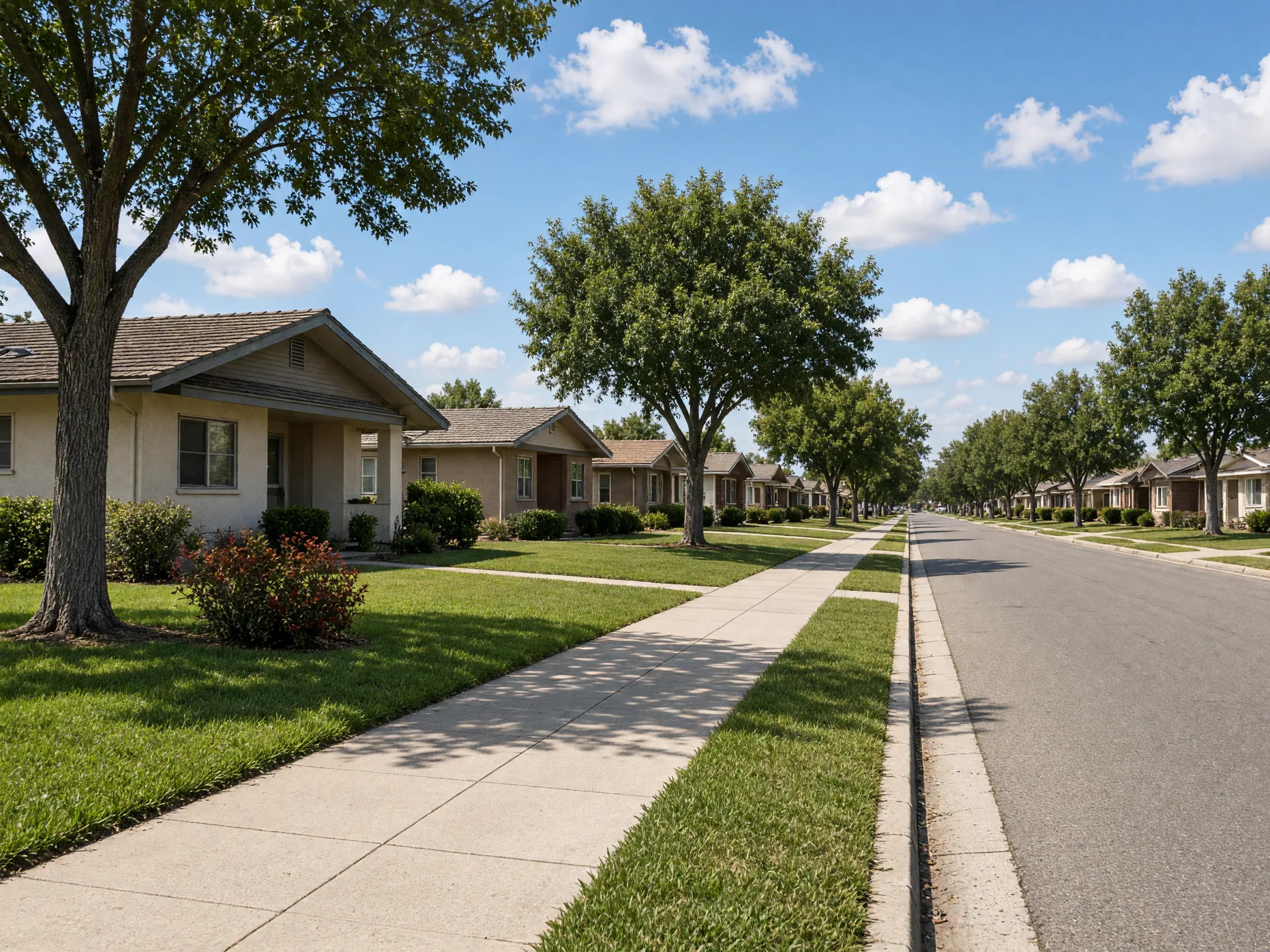
Fair Oaks
River bluffs, a beloved farmers market, and a village pace that many seniors find gentle and familiar.
Explore Fair Oaks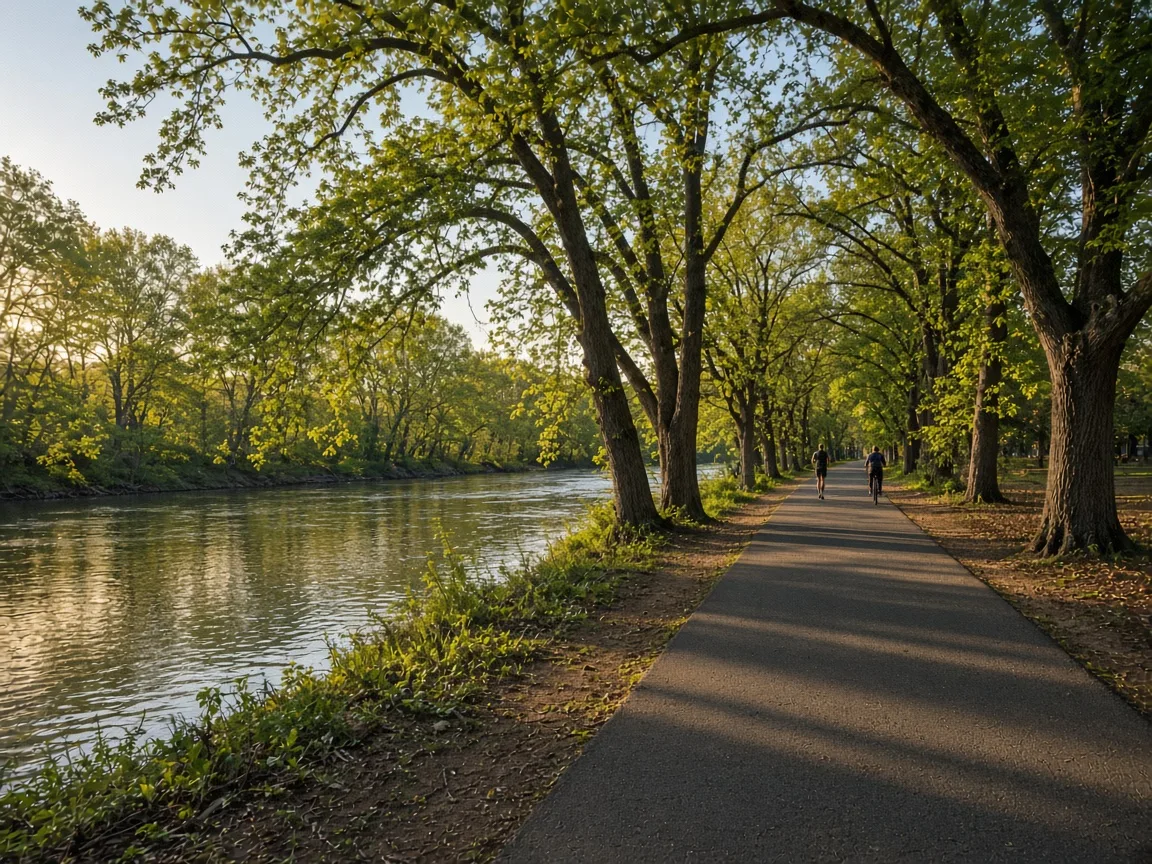
Elk Grove
Family-first planned suburbs south of the capital with parks, shopping, and many single-story plans.
Explore Elk Grove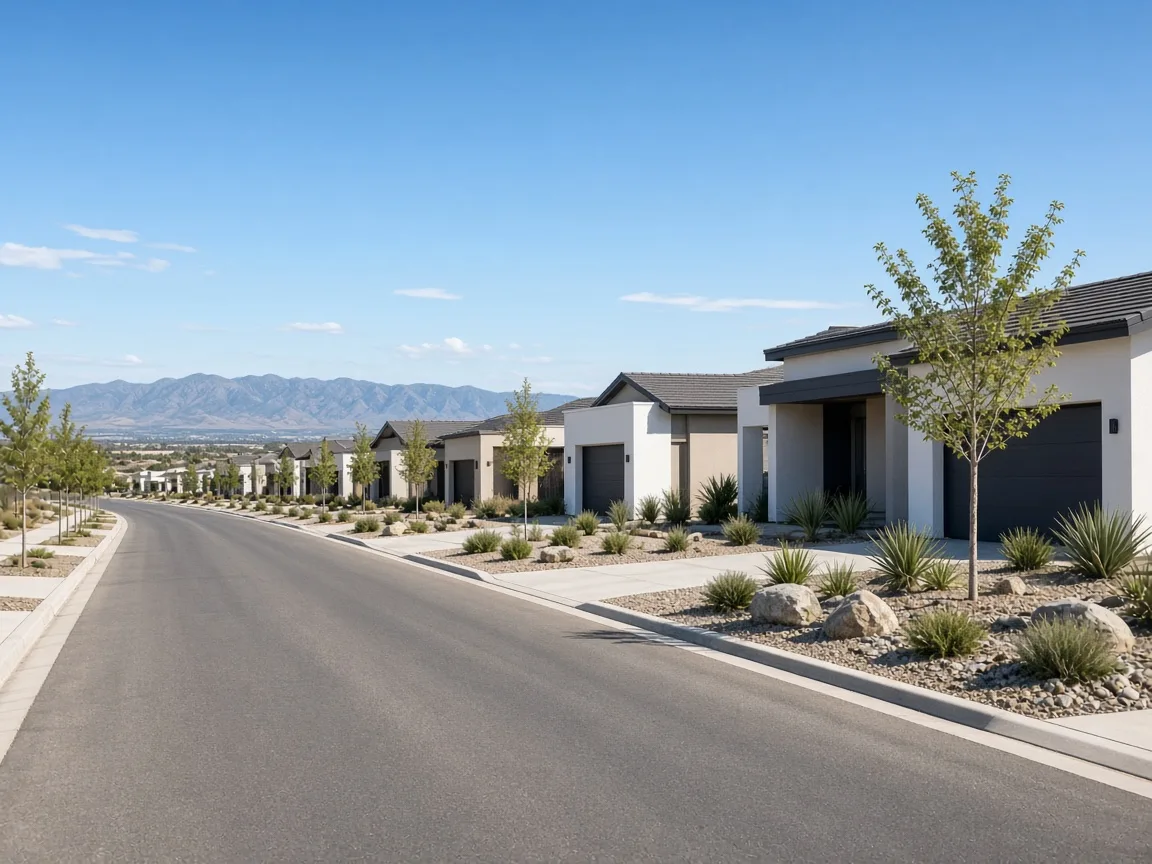
Folsom
Lake views, paved river trails, and 55-plus enclaves, about 25 to 35 minutes from downtown via Highway 50.
Explore Folsom
Sacramento vs. Folsom vs. Roseville: Which Is Right for You?
Price ranges reflect 2025 sales data from major market trackers; drive times are typical and traffic dependent. Use the table as a starting point, then compare homes in person with Mike.
| Metric | Sacramento | Folsom | Roseville |
|---|---|---|---|
| Median home price (2025) | ~$505,000 | ~$740K to $770K | ~$610K to $630K |
| Typical drive to downtown | 10 to 20 minutes | 25 to 35 minutes via US 50 | 25 to 35 minutes via I-80 |
| Vibe | Urban capital, historic and cultural | Lake and trail town, newer neighborhoods | Big suburban city, shopping and services |
| School districts | SCUSD plus neighboring districts | Folsom-Cordova Unified | Roseville City and Roseville Joint Union |
| Senior services | Major medical centers, senior centers | 55-plus enclaves, east-side medical corridor | Growing senior and 55-plus communities |
| Property tax pattern | CA Prop 13, roughly 1% of assessed value | Same California pattern | Same California pattern |
Cost of Living in Sacramento (2026)
Housing is the biggest line item, just as it is everywhere in California. Index figures come from BestPlaces and ApartmentList cost-of-living comparisons for 2025.
A Sacramento mortgage payment at the ~$505,000 median typically lands well below Bay Area levels for a comparable home. When you talk with Mike, he will bring current rate and payment examples for the neighborhoods you like, plus HOA, Mello-Roos, and tax numbers, so the monthly picture is honest before you shop.
Schools in Sacramento
Your address determines your school district, so verify assignment block-by-block. These are the main districts that serve the city and its immediate surroundings.
-
Sacramento City Unified School District (SCUSD)
The largest district, serving most of the city, including Land Park, East Sacramento, midtown, and the Pocket. West Campus High School consistently ranks as the district standout in national high school ratings.
-
Twin Rivers Unified School District
Serves northern Sacramento neighborhoods such as North Highlands and Del Paso Heights.
-
Natomas Unified School District
Serves the Natomas area north of the river, with several newer schools built alongside the community.
-
San Juan Unified School District
Covers part of the east and northeast metro, including Carmichael and Fair Oaks.
-
Elk Grove Unified School District
A large south-metro district serving Elk Grove and parts of south Sacramento.
-
Higher education and training
California State University, Sacramento (Sacramento State), Sacramento City College, and the Los Rios Community College District put university classes and workforce training within reach of every neighborhood.
Amenities and Community Services in Sacramento
Hospitals and urgent care
UC Davis Medical Center, Sutter Medical Center Sacramento, Kaiser Permanente South Sacramento, and Mercy General Hospital anchor the city, with urgent care clinics throughout the neighborhoods.
Senior services
Hart Senior Center and city recreation centers run classes, meals, and activities; adult day programs, in-home care agencies, and the Area 4 Agency on Aging support families planning transitions.
Libraries and learning
The Sacramento Public Library system reaches the city with neighborhood branches, plus Sacramento State, Sacramento City College, and the Los Rios community college district close at hand.
Transit and airport
Sacramento International Airport (SMF), Amtrak Capitol Corridor service, and SacRT light rail and buses connect downtown to Folsom, Natomas, and the southern suburbs.
Shopping and daily life
Arden Fair, the DOCO district beside Golden 1 Center, Old Sacramento, and neighborhood centers such as the ones in East Sacramento and Land Park cover everyday errands.
Civic and cultural life
The Capitol Park grounds, Crocker Art Museum, Golden 1 Center, and Old Sacramento give the city year-round concerts, museums, and community events.
Commuting from Sacramento to Downtown and the Region
The average one-way commute for Sacramento workers is about 25 minutes, below the U.S. average of roughly 26 minutes. Four freeways shape the city: I-5 running north-south, I-80 heading east to the Sierra and west to the Bay Area, US 50 running east toward Folsom and the mountains, and SR 99 heading north and south through the valley.
- Downtown to Sacramento State or east Sacramento: roughly 10 to 15 minutes in normal traffic.
- Folsom to downtown: about 25 to 35 minutes via US 50, longer in peak traffic.
- Roseville to downtown: about 25 to 35 minutes via I-80 and the Capital City Freeway.
- Elk Grove to downtown: about 15 to 25 minutes via SR 99 or I-5.
- SacRT light rail: the Gold Line runs from Folsom to downtown and the valley, and the Blue Line connects downtown to the southern suburbs; buses cover the rest of the city.
- Regional service: SacRT and county operators link the suburbs, and Amtrak's Capitol Corridor connects Sacramento to Davis, the Bay Area, and beyond.
- Air travel: Sacramento International Airport (SMF) is about 25 to 30 minutes from downtown and serves major U.S. destinations.
Parks and Recreation in Sacramento
The city's unofficial slogan, "City of Trees," is earned: more than 200 parks and the 32-mile American River Parkway put nature within minutes of nearly every neighborhood. Trust for Public Land ranked Sacramento's park system #32 among the 100 largest U.S. cities in 2025.
American River Parkway
A roughly 32-mile paved trail, the Jedediah Smith Memorial Trail, runs from Discovery Park in downtown to Folsom Lake, with about 29 miles of protected riverbank for walking, biking, and birdwatching.
William Land Regional Park
The city's largest park, more than 200 acres in the Land Park neighborhood, holds the Sacramento Zoo, Fairytale Town, and wide lawns under mature oaks.
Neighborhood favorites
McKinley Park in East Sacramento keeps its rose garden and lily pond, Capitol Park wraps the State Capitol in 40 landscaped acres, and Discovery Park anchors the river at the confluence of the American and Sacramento.
Dining and Shopping in Sacramento
Sacramento bills itself as America's Farm-to-Fork Capital, and the food scene backs it up: WalletHub ranked Sacramento the #9 best foodie city in the U.S. in 2025, and Food & Wine featured it first in its "America's Next Great Food Cities" compendium that year. Farmers markets run year-round at Cesar Chavez Plaza, in midtown, and at village markets across the metro.
Local favorites
- Bacon & Butter on Broadway, a beloved breakfast and lunch spot in the Curtis Park area.
- Grange Restaurant & Bar at the Citizen Hotel on J Street, a long-running downtown favorite for California cuisine.
- Hook and Ladder Manufacturing Company on S Street, a community gathering spot with wood-fired food in a converted firehouse.
- The Morning Fork on 21st Street, a midtown favorite for creative breakfasts and brunch.
Shopping and entertainment
- Old Sacramento Waterfront: historic boardwalks along the river, with the California State Railroad Museum and independent shops and cafes.
- DOCO and Golden 1 Center: the arena district downtown brings concerts, Kings games, River Cats baseball at Sutter Health Park, and Republic FC soccer to the city's core.
- Arden Fair: the city's largest enclosed mall, with department stores, dining, and easy access off I-80, plus neighborhood retail along the R Street corridor and in Land Park and East Sacramento.
- Farmers markets: year-round markets at Cesar Chavez Plaza (downtown) and at village centers across the region, where farm fare goes straight from the field to the table.
Weather in Sacramento
Sacramento has a Mediterranean climate: hot, dry summers and mild, rainy winters, with about 269 sunny days a year. The numbers below are 1991 to 2020 climate normals.
July and August averages, with cooler evenings near 60°F
December and January averages, with daytime highs near 56°F
Per year, well above the U.S. average of just over 200
Falls almost entirely November through April
Spring and fall are the most pleasant seasons, when daytime highs sit in the 70s and 80s. Summer evenings cool off quickly in the valley, and the dry heat makes the American River Parkway and shaded neighborhood streets genuinely comfortable.
Sacramento Growth and Development
Sacramento's population grew about +2.2% between the 2020 Census and the 2025 estimate, reaching roughly 536,000 residents. The wider metro is growing faster than most of California: the Sacramento region added about 17,500 residents between July 2024 and July 2025 and ranked among the state's fastest-growing metros, according to Sacramento Business Journal coverage of Census data.
Downtown has been the biggest transformation story. The Golden 1 Center arena (opened 2016) and the DOCO district anchored a residential and entertainment boom in the central city, the Downtown Railyards project continues to add housing and parks on former rail yards, and Aggie Square, the UC Davis Health innovation district, brings research jobs and classrooms east of downtown.
What developers are building
- Infill housing in midtown and the central grid, mixing apartments, townhomes, and condos within walking distance of transit and jobs.
- Master-planned neighborhoods in Natomas, North Natomas, and south Sacramento county, many with single-story senior-friendly plans.
- 55-plus communities and continuing-care campuses around the metro, keeping pace with the region's aging population.
- Riverfront and greenway investments that extend trail capacity and flood protection along the American and Sacramento Rivers.
Sacramento Awards, Rankings, and Recognition
- Money50 Best Places to Live in the U.S.
Cited Sacramento for its art scene, Farm-to-Fork Festival, Crocker Art Museum, and Broadway Sacramento. Source: Money, 2024.
- U.S. News & World Report#11 Best Places to Live on the West Coast
Ranked above many larger California cities for overall livability. Source: U.S. News & World Report, 2024-25.
- WalletHub#9 Best Foodie City in the U.S.
Also earned the #1 national spot for restaurant affordability and accessibility. Source: WalletHub, 2025.
- Food & WineAmerica's Next Great Food Cities
Featured Sacramento first in its compendium of rising food destinations. Source: Food & Wine, 2025.
- Trust for Public LandParkScore #32 of the 100 largest U.S. cities
Recognized for park access and the American River Parkway network. Source: Trust for Public Land, 2025.
- Niche#3 Most Diverse Cities in America
Among the most racially and ethnically diverse large cities in the U.S. Source: Niche, 2026.
Pros and Cons of Living in Sacramento
The Pros
- More home for the money than the Bay Area, with a median price around $505,000
- About 269 sunny days and mild winters that keep outdoor life comfortable most of the year
- Major medical centers, senior centers, and adult day programs close to family neighborhoods
- A Farm-to-Fork food scene, pro sports, and a lively arts calendar downtown
- The 32-mile American River Parkway plus 200+ parks for walking, biking, and river time
- Easy weekend access to the Sierra foothills, Lake Tahoe, the Gold Country, and the coast
The Cons
- Summer heat is real: July and August highs average about 94°F, with some weeks above 100°F
- Much of the city outside the central grid is car dependent, so a car or transit plan matters
- Crime varies significantly by neighborhood, so block-by-block due diligence is wise
- Home values keep climbing, which narrows the affordability gap over time
- Smoke from regional wildfire season can affect air quality a few days a year
- Summer construction and commute traffic add time to busy corridors
Client Stories from the Sacramento Region
Real engagements from the Sierra Home Transitions portfolio. Every family's transition is described factually; clients are named only as they have been on our public case-story page.
A room-by-room sorting and packing plan helped this family keep what mattered and release the rest, at a humane pace, before a confident move to a smaller home.
The El Dorado Hills DownsizingThe Miller Family / Downsizing & Sorting / 2024
Coordinated with the estate attorney, the team prepared and sold the Folsom home through the court process, keeping the timeline moving while the family grieved.
The Folsom Probate TransitionThe Folsom Estate Trust / Probate & Estate Sale / 2024
From the decision through the first night in the new community, one team handled the sale, the downsizing, and the move so the relocation stayed calm and unhurried.
Independent Living RelocationHelen S. / Relocation & Settlement / 2023
A Sacramento estate home is being cleared and prepped for market in coordination with the executor and counsel, so it shows well and sells on a reliable timeline.
Sacramento Parkside Probate EstateLaw Offices of G. Davis / Pre-market deep clean & clearing / In progress
Searching for the Best Real Estate Agent or Relocation Specialist in Sacramento?
Whether you are relocating to Sacramento for work, helping a parent downsize, or handling a probate or inherited home, Mike Giancanelli of Keller Williams Realty coordinates the whole picture: the neighborhood match, the sale or purchase, the transition logistics, and the family communication, with real local knowledge.
- 36 years of real estate experience in California, working with Sacramento, El Dorado, and Placer County families since 1990
- 290 homes sold across the region
- Seniors Real Estate Specialist (SRES) designation for senior relocations, downsizing, and probate sales
- Licensed California Realtor, DRE #01086118, with Keller Williams Realty
- One coordinator for the sale, the cleanout, the movers, and family communication
Realtor · SRES · Keller Williams Realty
CA DRE #01086118 · Sacramento Association of Realtors MLS
Sacramento FAQ: Everything Buyers Ask
People Also Ask about Sacramento every day. Here are the answers buyers and relocating families ask Mike most often.
Is Sacramento a good place to live?
Yes, for most priorities. Sacramento combines California capital jobs, a median home price around $505,000, about 269 sunny days, a Farm-to-Fork food scene, and the 32-mile American River Parkway. It ranks on national lists for livability, diversity, and food, and it sits within a few hours of the Bay Area and Lake Tahoe.
Is Sacramento safe?
Safety varies by neighborhood, so visit streets and blocks rather than judging the whole city at once. Land Park, East Sacramento, Curtis Park, and many suburban communities have strong neighborhood character and low-key streets. Ask an agent and local residents about the specific block you are considering, and check current crime data for that area.
What is the median home price in Sacramento?
This 2026 guide uses a median home price of about $505,000 and a typical median home value of about $480,000 for the city. Prices differ by neighborhood, so Land Park, midtown, and the Pocket run higher, while established suburbs and north areas offer more approachable price points.
How far is Sacramento from San Francisco?
Sacramento is about 90 miles from San Francisco by road, a drive that typically takes 1.5 to 2 hours depending on traffic. Amtrak also connects the two cities, and Sacramento International Airport offers direct flights across the country.
What is the weather like in Sacramento?
Sacramento has a Mediterranean climate with about 269 sunny days a year. Summers are hot and dry, with July and August highs averaging about 94°F. Winters are mild and wet, with December and January lows near 39 to 41°F and almost all of the 18 to 20 inches of annual rain falling between November and April.
What are property taxes like in Sacramento?
California property taxes follow Proposition 13, typically about 1% of assessed value plus local bonds and assessments, with assessed values generally growing no more than 2% a year. Proposition 19 lets homeowners 55 and older transfer their base-year value to a replacement home, with limits that a tax professional should confirm.
Which school districts serve Sacramento?
Most of the city is served by Sacramento City Unified School District, with Twin Rivers Unified to the north, Natomas Unified in Natomas, San Juan Unified covering parts of the east metro, and Elk Grove Unified to the south. Your address determines your district, so confirm assignment before you make an offer on a specific home.
How long is the commute in Sacramento?
Average one-way commute times for Sacramento workers are about 25 minutes, slightly below the U.S. average. The city is served by I-5, I-80, US 50, and SR 99, plus SacRT light rail lines that connect downtown, Folsom, and the southern suburbs.
Is Sacramento expensive to live in?
Sacramento costs about 27% more than the U.S. national average, driven mostly by housing, and it runs roughly 10 to 15% below the California statewide average. Rents and home prices are far more manageable than the Bay Area while salaries and services remain strong.
Where do Sacramento buyers find homes?
Most-searched in-city neighborhoods include Land Park, East Sacramento, midtown, Curtis Park, the Pocket, and Arden-Arcade, while nearby communities such as Carmichael, Fair Oaks, Citrus Heights, Elk Grove, and Folsom add more single-story options. This guide links each to a dedicated community page so you can compare in depth.
Is Sacramento a good place to retire or downsize?
Yes. Sacramento offers classic single-story floor plans, walkable neighborhood grids, major medical centers, senior centers, and 55-plus communities across the metro. As a Seniors Real Estate Specialist, Mike Giancanelli helps families match the right home, location, and services to the next chapter, often within a short drive of family.
How close is Sacramento to Lake Tahoe and the mountains?
Sacramento is about an hour and a half to two hours from Tahoe ski resorts via I-80 and US 50, and the Sierra foothills of El Dorado and Placer Counties are within a 30 to 60 minute drive. That weekend access to mountains, lakes, and the Gold Country is a major draw for active residents.
Ready to Move to Sacramento? Let's Talk.
Whether you are relocating now or planning a move for next year, a 15-minute conversation covers your timeline, your budget, and the Sacramento neighborhoods worth visiting first. No pressure, no obligation, just straight local guidance.
Mike Giancanelli, Realtor · SRES · Keller Williams Realty · CA DRE #01086118 · Serving Sacramento, El Dorado, and Placer Counties · Equal Housing Opportunity.